
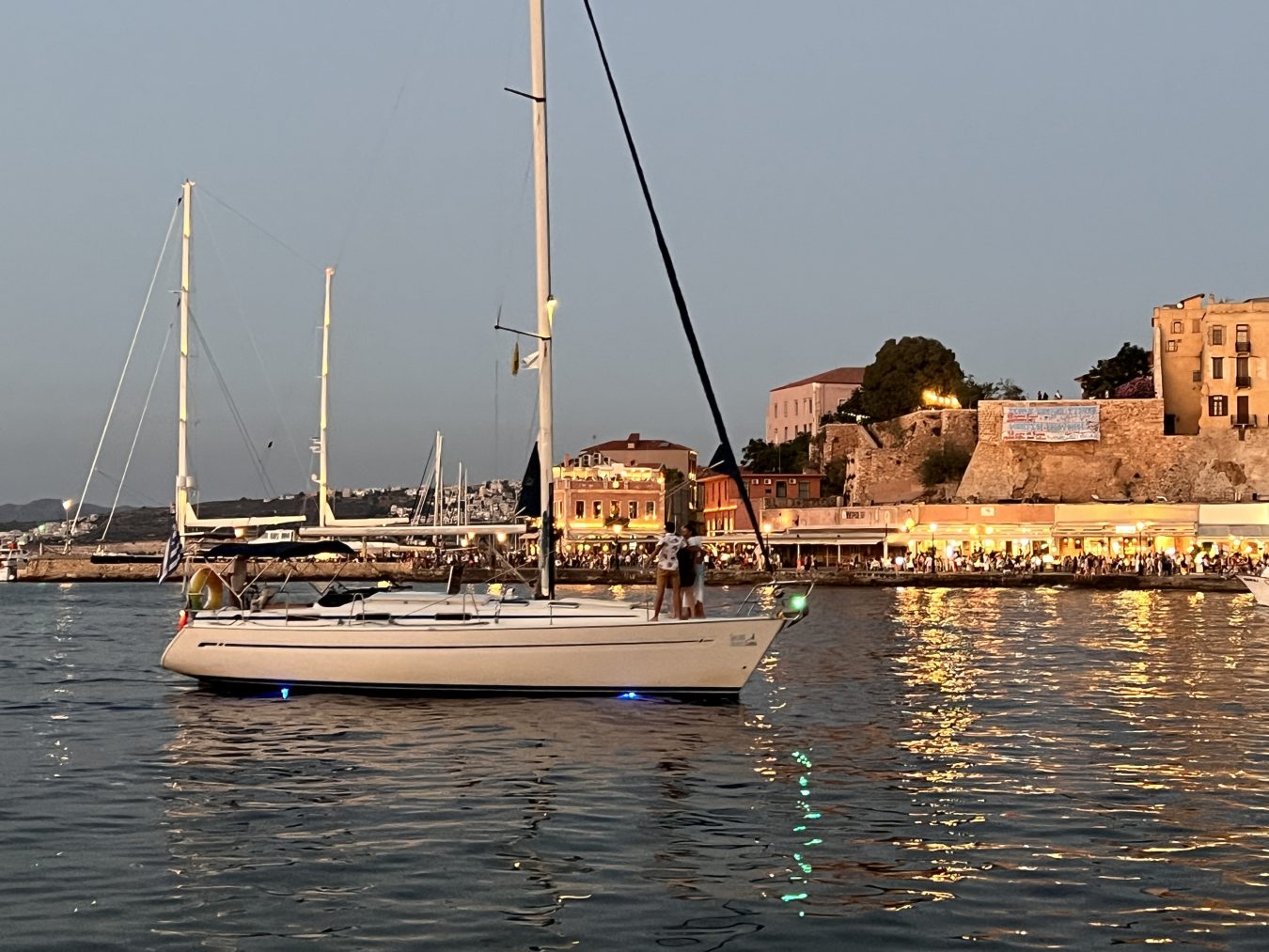
CHALEPA
The diplomatic, political and aristocratic hub of the late 19th & early 20th century exudes opulence and charm to this day.
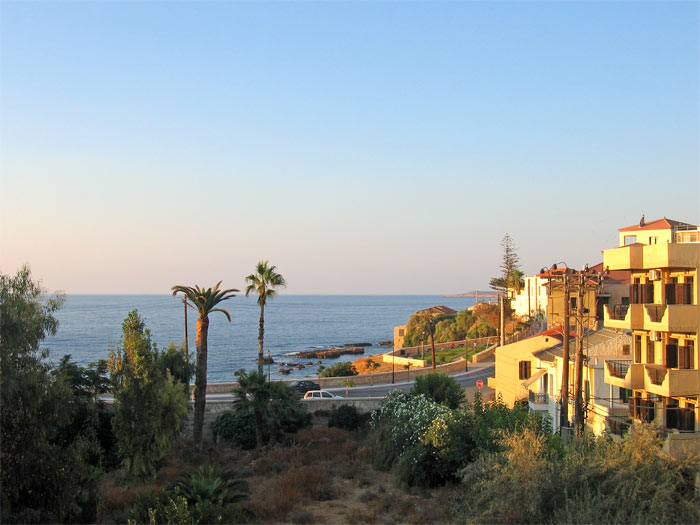
Chalepa is located on the North-East outskirts of Chania city where the road from Akrotiri (Cape) comes to an end entering the city. It was and still is an affluent suburb of the city, and back in the 19th century it was considered a diplomatic hub. Opulent mansions with large lush, gardens housed the crème-de-la-crème of Chania’s society and most of the consulates where also located in this aristocratic quartier. Prime Ministers of Greece such as the Ethnarch Eleftherios Venizelos and Konstantinos Mitsotakis lived in Chalepa.
TABAKARIA
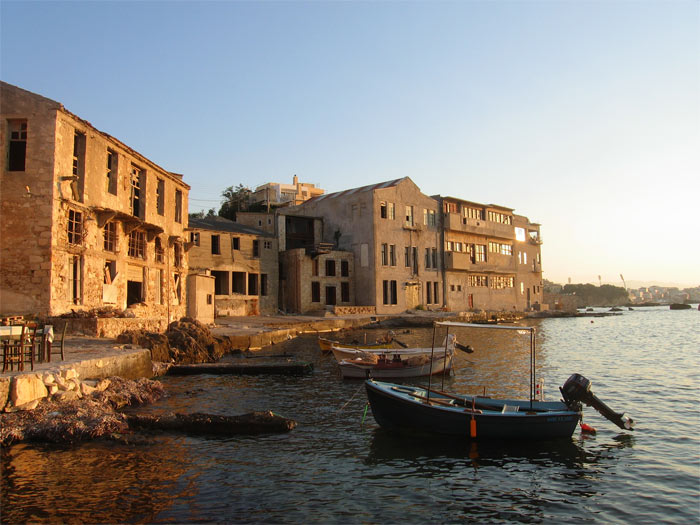
The coastal extension of Chalepa towards the North is known as the Tabakaria area.
The word means tanneries in the Turkish language and the area is a very special and exciting sample
of the architectural and historical wealth of Chania!
A whole neighborhood on the city’s north eastern coast is considered an architectural monument, featuring mostly the remains of the industrial boom that took place in the 19th century. During the Egyptian occupation era, between 1830 and 1850, artisan tanners came flooding in, occupying the area that presented the ideal conditions for their craft. The processing of leather flourished right up to the 1950s when 80 tanneries were in full operation.
EL. VENIZELOS TOMBS
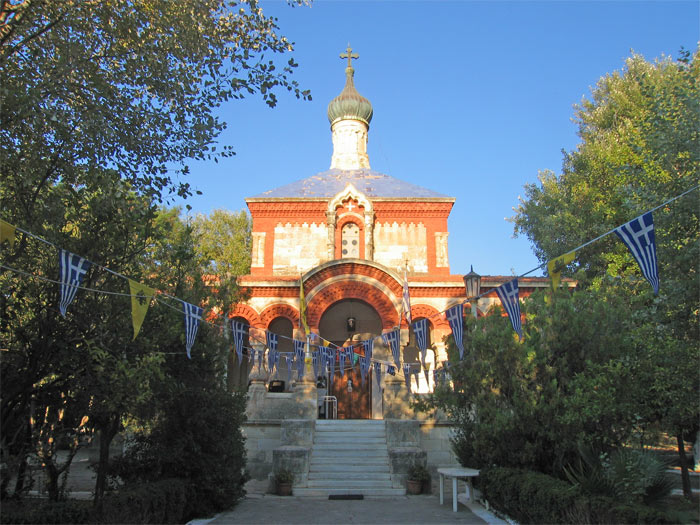
At Froudia of Akrotiri, on a hill top, within a beautiful landscape, one will find the Memorial Tombs of Eleftherios and Sofoklis Venizelos, the 16th century A.D. Venetian chapel of Prophet Elias and the memorial statue of Spyros Kagiales, hero of the 1897 rebellion. The spot offers unforgettable panoramic views of the entire city of Chania, facing the magical sunsets that shower the Cretan sea with endless colors.
The hill top Froudia at Akrotiri, on the east side of the city, was of major strategic and historic importance throughout the centuries. The two nave temple of Prophet Elias was also dedicated to Prophet Elysseo in the 16th century. It was built according to Venetian standards of ecclesiastic architecture. There are testimonies that there used to be a convent. In 1897, following the bombardment of the hill during the Greek rebellion against the Turks, the chapel was destroyed, yet the Tsar of Russia, Nicolas, funded its entire restoration. Prior to 1972 the chapel was surrounded by the Village of Profitis Elias, however in 1973 the area was expropriated by the State for the creation of the memorial area of the Venizelos Tombs, paying tribute to the Great Ethnarch of Greece and his son Sofoklis who was also the Prime Minister of Greece from 1943 to 1952.
