Chania city

Venetian era

The Turkish quarter 

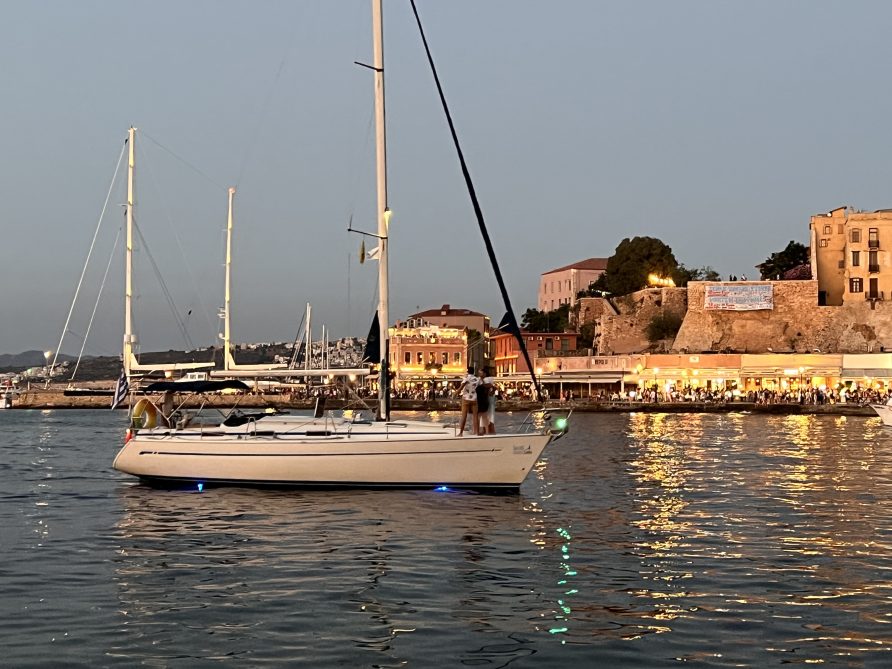
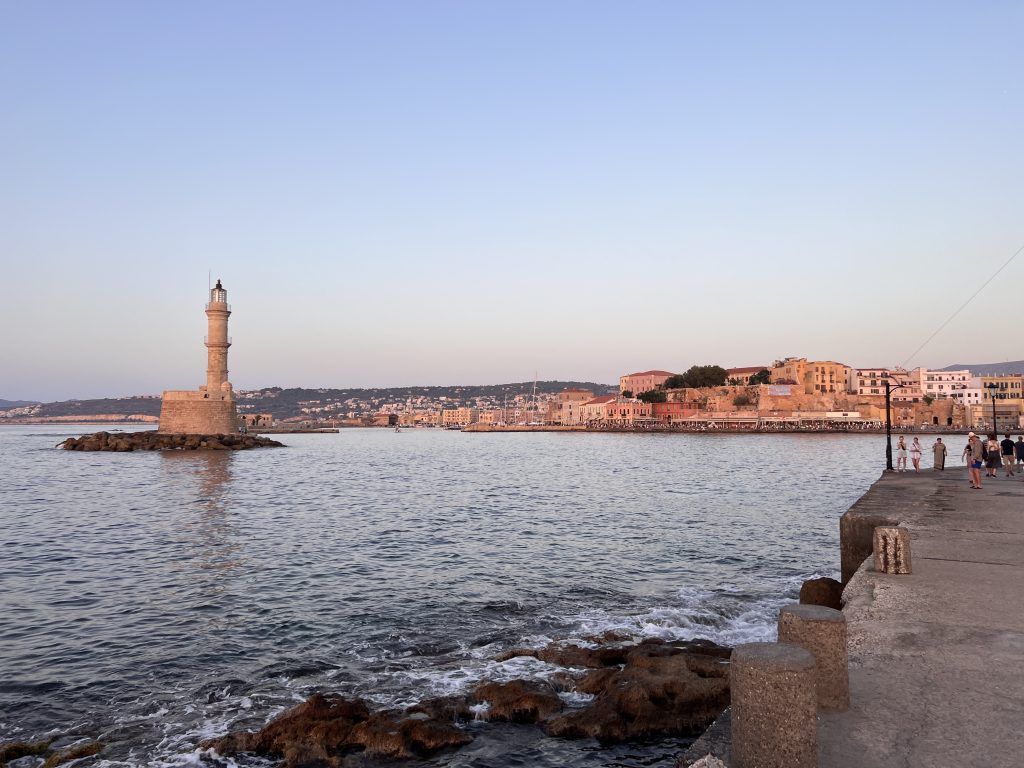
The rich history of the area dates back from the Venetian era. It was named Ponte Dei Viari. This name refers to a bridge connecting the eastern gate of the Kasteli settlement with modern Daskalogianni St. and Splantzia Square. The bridge took the name of an affluent Venetian family who were benefactors of the city in difficult times. The area had a lot of underground waters. That is why there are findings of underground Venetian water tanks. These tanks could supply the city for 6 whole months. Current St. Nickolas church was originally the temple of the adjacent Monastery. The Order of the Dominican monks occupied the monastery. It was built in 1320. After the invasion of the Turks in 1645, the church was converted into a Mosque. It was named Houghiar Tzamissi – Hünkâr Camisi. A minaret was added on the south side of the temple.

Modern Chania 

In the late 19th century, near the end of the Ottoman era, the city’s population was rising. It began to feel confined within the limits of the Venetian Walls. Therefore the city began stretching out to the West, the East and mostly to the South. In 1870, the Turkish Chief Commander of Crete, Reouf Pasha, envisioned a city master plan. This plan included a Grand Walk for leisure and outdoor activities beyond the Venetian Walls. His daily routine involved walking towards a sandy area with a shady fig tree. This habit inspired him to construct a City Garden (bahce). It was meant for everybody to enjoy some public, open, green space. Cultural events could take place there according to the European standards of the time. 
Continue reading “Chania city”

How to Be a Great Guest — Longer Stays

Much has been said about how to be a good host, but far less about how to be a good guest — particularly when your visit stretches beyond just a couple of days. Whether you’re staying with close family or distant acquaintances, being a guest comes with real responsibilities. Hosting can be a joy, but it can also be exhausting, even for the most enthusiastic of hosts.

Having lived abroad for many years, we’ve had plenty of experience welcoming guests — and hearing stories from others who do the same. Based on these experiences, here’s a practical guide to being the kind of guest everyone loves to have.

Continue reading “How to Be a Great Guest — Longer Stays”

Chania with kids

Archaeology for Kids in Crete

We went to Kissamos,  a small town just a half-hour easy drive from Chania in Crete. Our first is the archaeological museum featuring findings from the western part of Crete, mostly Polyrenia, Falasarna, and other smaller ancient towns of the area.

The museum was founded in 2005, and it is housed in a two-floor Venetian monument that once was hosting the Headquarters of the Governor of the area. On the ground floor, you will basically admire the findings from Ancient Falasarna and Polyrenia which flourished during the Hellenistic period as well findings from the prior Minoan era.

On the first floor, you will admire the mosaics that are in maintained very good condition from the Hellenistic period of the area, along with other findings, such as coins, amphoras, jewelry, and tomb findings.

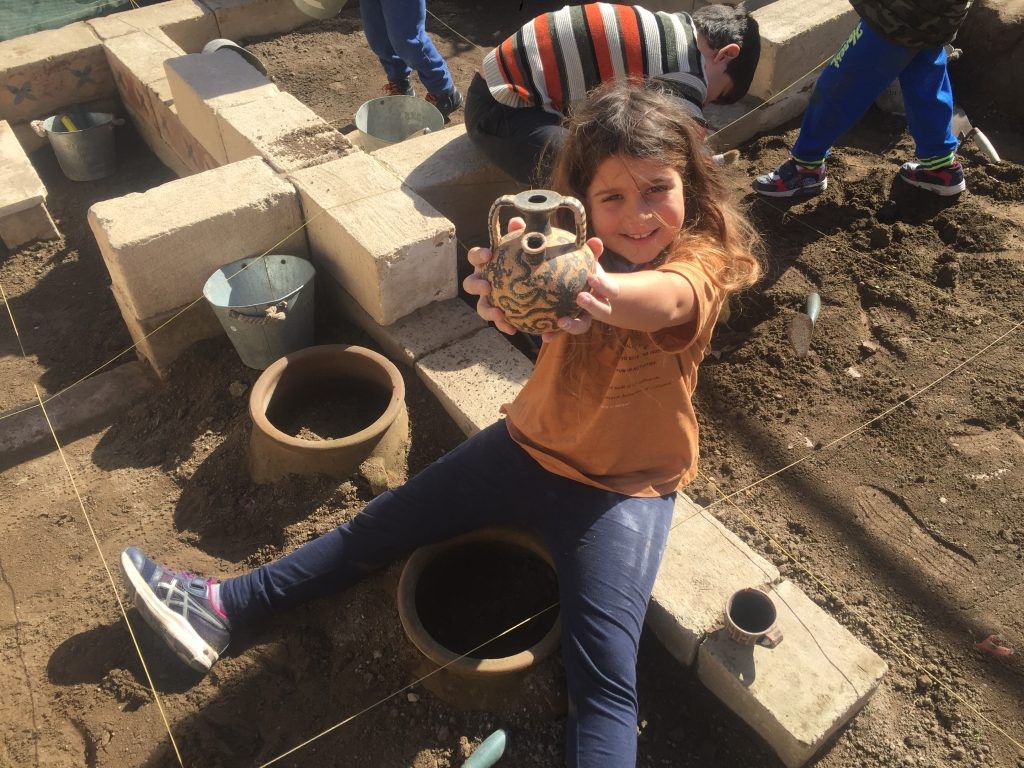
Archaeolab

Continue reading “Chania with kids”